Numbers on Paper, Questions in the Bay: A Calm Guide to Garage Estimates

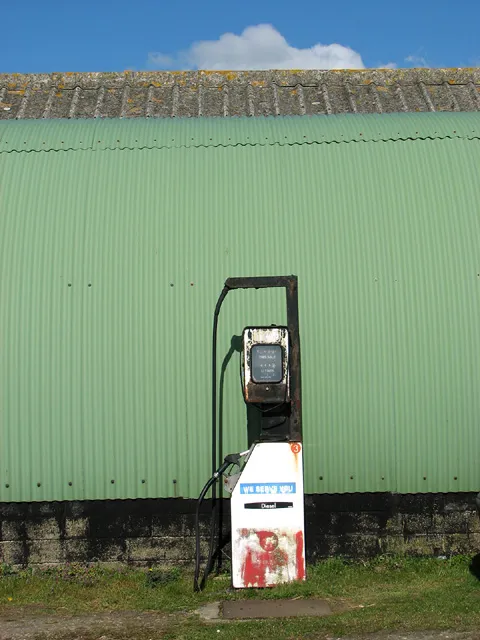
Photo: Peter Facey, CC BY-SA 2.0, via Wikimedia Commons
You ask for a price. What arrives is a PDF, a handwritten sheet or a text message with a number on it and a few lines of explanation. It looks simple enough. Then you compare it with another garage and the two figures are £140 apart, and you are left wondering whether one place is ripping you off or the other has missed half the job.
Most of the time, neither is true. A garage estimate is a plan built on assumptions: how long the job should take, which parts will be used, what the tester or mechanic might find once the wheels come off. Reading that plan properly is not about catching anyone out. It is about knowing what you are agreeing to before you hand over the keys.
Start with the number that shapes everything: labour
Labour is usually the biggest line on a garage estimate, and it is the one drivers skim past. You will normally see two figures: an hourly rate and the number of hours booked. A garage charging £65 an hour for three hours is not automatically cheaper than one charging £85 an hour for two hours. The total matters, but so does what sits behind it.
Ask whether the hours are based on manufacturer times or the garage's own experience. Neither answer is wrong. A straightforward clutch on a common hatchback may have a published time, while a rusty exhaust on a fifteen-year-old estate might genuinely take longer. What you want is a sensible explanation, not a shrug.
Also check whether diagnosis is included. Some garages charge a separate inspection fee, then credit it against the repair if you go ahead. That is fair enough as long as it is clear on the estimate. If it is not mentioned, ask before the work starts.
Parts: the three letters that change the bill
Parts are where two estimates for the same job can diverge sharply without either garage being dishonest. A brake disc from a premium brand, an original-equipment part and a budget aftermarket disc are all brake discs, but they are not the same product.
Look for a brand name or a quality description on the estimate. 'Genuine' usually means the manufacturer's own part. 'OEM quality' can mean a part made to similar standards by another supplier. 'Aftermarket' covers everything else, from reputable specialists to the very cheap end of the market.
You do not always need the most expensive option, especially on an older car. But you should know what is being fitted. A useful question is: 'What brand is that, and would you fit it to your own car?' It is friendly, direct and usually gets a straight answer.
Consumables, sundries and the small stuff
Oil, filters, coolant, brake cleaner, clips, bolts, disposal charges and workshop supplies can all appear on a garage estimate. These are legitimate costs. A garage has to get rid of old oil properly and replace the single-use bits that hold your car together.
What matters is visibility. A modest sundries charge is normal. A vague 'workshop materials' line that adds £40 to a basic service deserves a question. Ask what it covers. If the answer is sensible, move on.
The same goes for 'while we are in there' work. If a garage spots a worn drop link during a service, that is helpful. It should not simply appear on the final bill without a call or message. A good estimate leaves room for extra work, but a good garage asks before doing it.
VAT and the 'from' price trap
Always check whether a price includes VAT. Trade quotes are often written plus VAT, which is normal in the motor trade but can come as a shock if you are comparing it with a consumer-facing website. At 20%, the difference between £300 plus VAT and £300 including VAT is £60. That is not a rounding error.
'From' pricing is another one to handle carefully. 'Services from £99' or 'MOT repairs from £50' can be a useful headline, but it is not an estimate for your car. Ask what is included at that price and what commonly pushes it higher. A garage that explains the variables is usually more trustworthy than one that promises a rock-bottom figure with no caveats.
Compare like with like
When you have two estimates, put them side by side and compare the same things:
- The scope of work: are both quotes for the same job, or is one missing a filter or a wheel alignment?
- Labour rate and hours: compare the total labour cost, not just the hourly rate.
- Parts quality: look for brands and part numbers where possible.
- Consumables and disposal: are they included or added later?
- VAT: is it included in the bottom line?
- Warranty: how long does it cover the parts and labour?
- Extras: courtesy car, collection, retest fees or diagnostic charges.
A cheaper quote is not automatically better, and an expensive one is not automatically more thorough. The fair estimate is the one you can understand.
Questions worth asking before you say yes
You do not need to arrive with a clipboard and a legal dictionary. A few calm questions will do:
'Can you walk me through the labour and parts on this line?'
'Is this fixed for the job as described, or could it move?'
'What would make it move, and will you ring me before doing any extra work?'
'Does that include VAT and disposal?'
'Is there a cheaper part option you would be comfortable fitting?'
Ask them at the desk or over the phone, not in a confrontational way. Most garage staff would rather explain an estimate than argue about an invoice later.
When the estimate legitimately changes
Sometimes a job really does grow. A seized bolt snaps, a brake pipe turns out to be corroded, or the parts supplier sends the wrong calliper. A good garage stops, explains the situation and asks for your permission before carrying on. A revised estimate in writing, even by text, is worth having.
What you are looking for is not a guarantee that the price will never move. It is a clear process for when it does. That process is the difference between a surprise and a conversation.
The best estimate is not the cheapest piece of paper. It is the one that tells you what is being done, what is being fitted, what is included and who to call if something changes. Read it line by line, ask a couple of sensible questions, and you will usually find that the numbers make a lot more sense than they first appeared.