Diesel, Petrol or Hybrid: Why MOT Day Is Not the Same Under the Bonnet
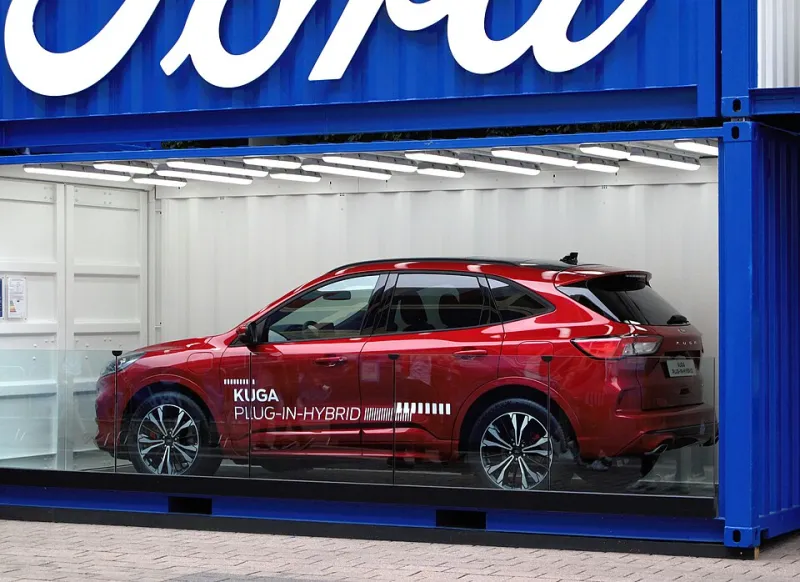
Photo: Rutger van der Maar from Leiden, The Netherlands, CC BY 2.0, via Wikimedia Commons
An MOT is an MOT, right? Up to a point. The core safety inspection is the same whether you drive a small petrol hatchback, a diesel estate or a plug-in hybrid. But the fuel type changes what the tester is looking at under the bonnet and out of the exhaust, and it changes the faults that are most likely to spoil your day. Here is how the test treats each type differently in 2026.
The parts that do not change
First, the basics. Brakes, tyres, suspension, steering, lights, seatbelts, body structure, mirrors, wipers and washers are assessed on every car. A hybrid does not get a pass on worn brake discs because it has a battery, and a diesel does not get leniency on a bald tyre because it has a DPF. The MOT is a safety test first and an emissions test second, and the safety items are largely fuel-agnostic.
What changes is the emissions section and the extra equipment that comes with each powertrain.
Diesel: DPF, smoke and the emissions spotlight
Modern diesels have the most complicated emissions hardware and the most obvious MOT pressure points. If your car was fitted with a diesel particulate filter, it needs to be there and working. A missing DPF, a DPF warning light, or visible smoke from the exhaust can lead to a fail. Testers are not there to strip the filter down, but they can see tampering and they can see smoke.
The diesel smoke test measures how much light passes through a sample of exhaust gas. It is not the same as a full emissions lab test, but it is enough to catch a car that is overfuelling, burning oil or running with a blocked filter. Short journeys, repeated stop-start driving and missed regenerations are common causes of DPF trouble. So is a failed sensor that never gets fixed.
Before test day, diesel owners should check the DPF warning light, take the car for a proper run if it is designed for regeneration, and sort out any engine management light. Do not rely on a bottle of cleaner to fix a genuinely blocked filter. It can help with light soot, but it will not replace a failed component. Also check the air filter, oil level and any signs of injector trouble. A smoky diesel is usually telling you something.
Petrol: emissions equipment and the cat
Petrol cars have their own emissions test, and the catalytic converter is the star of the show. A healthy cat needs a healthy engine. Misfires, oil burning, a failing lambda sensor or a leaking exhaust can all push the readings out of range. Some newer petrols also have particulate filters, and the tester will pay attention to whether emissions equipment has been removed or tampered with.
Petrol owners should look out for the engine management light, any blowing from the exhaust, rough running and poor fuel economy. A pre-MOT service with fresh oil, clean filters and correctly gapped spark plugs is not a guarantee, but it gives the emissions system a fair chance. If the car has been sitting unused for months, give it a proper run before the test.
Hybrid: high-voltage hardware and brake behaviour
Hybrids add another layer. The tester will look at high-voltage cables, battery condition and any warning lights associated with the hybrid system. They are not doing a full battery health report, but they are checking for obvious damage, insecure mounting and dangerous exposed wiring. Underbody damage is worth watching, because hybrid cables often run where speed humps and kerbs can do damage.
Hybrids also tend to use their brakes less, thanks to regenerative braking. That can leave discs and pads corroded or seized, especially on low-mileage cars. The MOT brake test will catch a binding caliper or a disc that has gone beyond its limits. Before test day, check the 12-volt battery, make sure the hybrid warning lights behave normally, and give the brakes a few firm, safe stops on a quiet road. Do not ignore a grumbling wheel bearing or a brake pedal that feels different from usual.
What every driver should do before test day
Whatever is under the bonnet, the pre-MOT basics are the same. Check the lights, including the number plate lamp and indicators. Look at tyre tread and pressures. Top up the washer fluid. Clean the number plates so the tester can read them. Remove clutter from the dashboard and seats. Bring the locking wheel nut if you have one. Tell the garage about any symptoms, even if they seem minor.
Book early, too. A car that fails on a simple bulb or a worn wiper blade is easier to fix when you are not rushing to beat a deadline.
When emissions fail: maintenance, not a death sentence
A failed emissions reading can feel like bad news, but it is often a maintenance issue rather than a terminal one. A dirty air filter, a tired lambda sensor, a small exhaust leak, the wrong oil, a stuck thermostat or a neglected service can all push a car over the limit. The right response is diagnosis, not panic.
Ask the garage for the actual readings and any fault codes. Find out whether the car failed on smoke, carbon monoxide, hydrocarbons or lambda. That tells you where to look. A good repair might be a sensor, a service or a filter. A bad one is throwing parts at the car and hoping. If the quote is huge, get a second opinion.
The bottom line
The MOT is the same test for everyone, but it is not the same experience. Diesel owners should respect the DPF and the smoke test. Petrol owners should keep the emissions system healthy. Hybrid owners should watch the high-voltage hardware and the brakes that do less work. Do that, and test day is far less likely to spring a surprise.