Cold-Start Confusion: Sorting Dashboard Warnings Before You Turn the Key
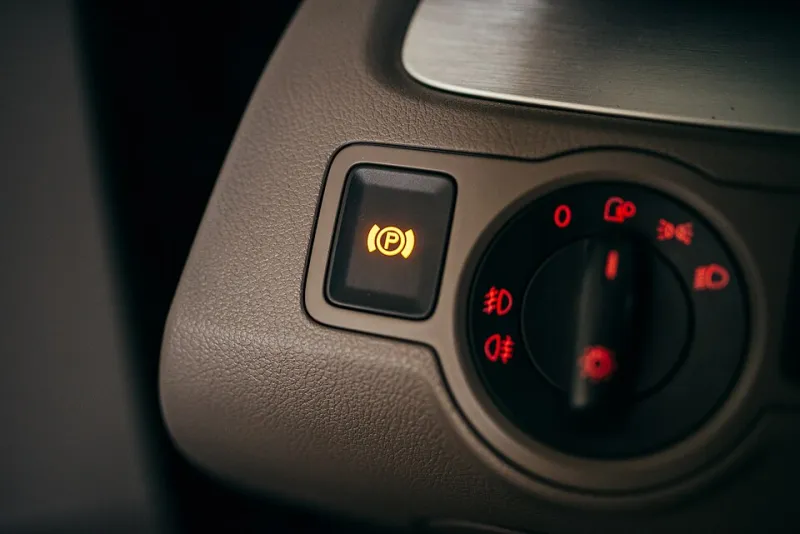
Photo: Shixart1985, CC BY 2.0, via Wikimedia Commons
There’s a particular moment on a dark November morning when you turn the key, the engine coughs into life, and the instrument panel performs its usual light show. Most of those symbols vanish within a second or two. One or two might linger. And that’s when the internal debate starts: is this a ‘keep an eye on it’ light, a ‘ring the garage’ light, or a ‘pull over before something expensive happens’ light?
Dashboard warnings are not all created equal. Colour helps, but context matters just as much — especially in winter, when cold batteries, low tyre pressures and sluggish glow plugs can trigger warnings that would not appear on a mild afternoon. The trick is to sort what you’re seeing into three practical groups: carry on with caution, book a garage visit, or stop safely now.
First, rule out the normal self-check
When you switch on the ignition, many warning lights illuminate briefly as a bulb and system check. They should go out once the engine starts, or within a few seconds. If they do, that’s normal. If one stays on, or comes back after you’ve driven a short distance, make a mental note — or better, a phone note — of exactly when it appeared.
That timing is genuinely useful. A light that shows up on a freezing cold start and disappears after five minutes tells a different story from one that flickers when you brake at a roundabout. Your garage can diagnose much faster when you can say ‘it only happens on cold mornings’ rather than ‘it came on once last week’.
Group one: carry on, but keep watching
Some warnings are a nudge rather than a red alert. A steady amber tyre-pressure warning is a good example. Cold weather causes tyre pressures to drop, so the sensor may be reacting to a genuinely soft tyre rather than a puncture. Check the pressures when the tyres are cold, top them up to the manufacturer’s figures, and reset the system if your car allows it. If the light stays on after that, book a visit.
A bulb-failure warning is another one for the ‘carry on’ list — assuming your actual lights work and you’re not driving a Christmas tree of darkness. Get it sorted soon, but it’s not usually a stop-now issue. Likewise, a diesel glow-plug light that comes on with the ignition and clears after the engine starts is often just a cold-start grumble. If it flashes or stays on, though, that moves into the booking group.
A steady amber engine-management light is a grey area. Many drivers carry on to work and book the car in afterwards. That’s often reasonable if the car is running normally, but don’t ignore it for weeks. If it starts flashing, treat it as urgent and stop when safe.
Group two: book the garage, don’t ignore it
This is the middle ground — warnings that don’t demand an immediate roadside stop but do need proper attention. A steady engine-management light, an ABS warning that stays on, a persistent tyre-pressure warning after you’ve checked the pressures, or a brake-pad wear indicator all belong here.
ABS is worth understanding. If the ABS light is on but the normal brakes feel fine, you still have brakes — you just may not have anti-lock assistance in an emergency. That’s not something to leave until spring. Similarly, a glow-plug light that flashes or a diesel that struggles badly to start on cold mornings is telling you the starting system needs a look before it becomes a no-start.
This is also where MOT day comes into the picture. Warning lights that stay on can affect the test, and a car that arrives with a known ABS or engine warning is harder to assess fairly. If you’re due a test soon, get the warning investigated first. Clearing the code yourself without fixing the cause usually just hides the clue your tester and garage need.
Group three: stop safely, then call
Red warnings deserve respect. If you see a red oil-pressure warning, a red battery or charging symbol, a red brake warning that doesn’t disappear when you release the handbrake, or a red coolant-temperature light, pull over somewhere safe as soon as you can. Switch off the engine and call for assistance.
A flashing engine-management light also belongs in this group. So does a red steering warning, or any warning that comes with a noticeable change in how the car drives — grinding, pulling, heavy steering or a burning smell. Don’t open a hot coolant cap to investigate at the roadside. Let the car cool and let a professional look.
The red battery light catches people out because the car may still seem to drive. It usually means the charging system isn’t doing its job, so the battery is running down. You might get a few more miles, or you might not. Stopping in a safe place is the better bet.
Why cold mornings stir up the dash
Winter is hard on 12-volt batteries. Cold reduces their ability to deliver current, and a battery that was borderline in summer can suddenly struggle in November. That can trigger voltage-related warnings, slow cranking and odd electrical behaviour. Tyre pressures fall with temperature, glow plugs work harder, and condensation can affect sensors. None of that means every warning is a false alarm — it just means context matters.
The note that helps your garage
Before you ring anyone, jot down four things: which light, when it appeared, what the weather was doing, and whether it cleared. Add anything unusual — a rough idle, a whiff of fuel, a squeal, a pulsing brake pedal. That little list is worth more than a vague description and can save diagnostic time.
At Portrack Motors, we’d rather you ask about a warning light early than wait for it to become an MOT failure or a breakdown. A two-minute cold-morning routine helps: walk around the car, check the tyres and lights, start up, watch the self-check, and note anything that stays lit. Then drive off with your eyes open rather than your fingers crossed.